The drinking water answer
Reverse osmosis
How RO removes PFAS, disinfection byproducts and dissolved solids, why point-of-use beats whole-home for most NC households, and verified reviews.
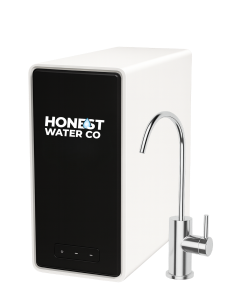
How it actually works
Reverse osmosis pushes water through a semi-permeable membrane with pore sizes small enough to reject dissolved contaminants that no filter can catch — PFAS, nitrate, disinfection byproducts, dissolved metals, and most of the total dissolved solids in the water.
A residential system is a series: sediment prefilter, carbon prefilter to protect the membrane from chlorine, the membrane itself, a storage tank, and a final polishing carbon stage on the way to the faucet. Each stage exists because the next one needs it.
It is the only residential technology that reliably handles the contaminant classes North Carolina actually has elevated — which is why it, not softening, is the honest answer to most of the water quality data on this site.
Where RO is the right answer
Everywhere in our service area, for drinking and cooking water. Disinfection byproducts are the most consistently elevated contaminant class in North Carolina relative to health guidelines — Durham's HAA9 runs 540 times the EWG guideline, Cary's 458 times, Charlotte's 413 times, all within legal limits. PFAS are present across the Triangle. RO addresses both at the tap, and because exposure through water is overwhelmingly about what you drink, point-of-use covers most of the real risk.
Where to think twice
Whole-home RO is rarely the right spend. It costs several times a point-of-use system, wastes considerably more water, and treats the water going to your toilets and washing machine to drinking standard for no benefit. Unless you have a specific whole-house requirement, the kitchen sink is where RO pays for itself. It also does not soften — if you have 10 GPG hardness, RO at the tap will not stop scale in your water heater.
Customer reviews
No reviews tagged to this system yet.
Common questions
- Does RO remove PFAS?
- Yes — it is the most reliable residential method. Standard carbon filtration is not a PFAS solution regardless of packaging claims.
- Does RO waste water?
- It produces a reject stream, yes. Modern systems run far better ratios than older ones, and for drinking and cooking volumes the absolute quantity is small. Whole-home RO is where the waste becomes significant.
- Does RO remove beneficial minerals?
- It removes dissolved minerals along with everything else. The dietary contribution of tap water minerals is small relative to food, but remineralisation stages are available if you prefer the taste.
- How often do RO filters need changing?
- Prefilters typically annually, the membrane every 2–5 years depending on feed water quality and how well the prefilters are maintained. Skipping prefilter changes is the fastest way to kill a membrane early.
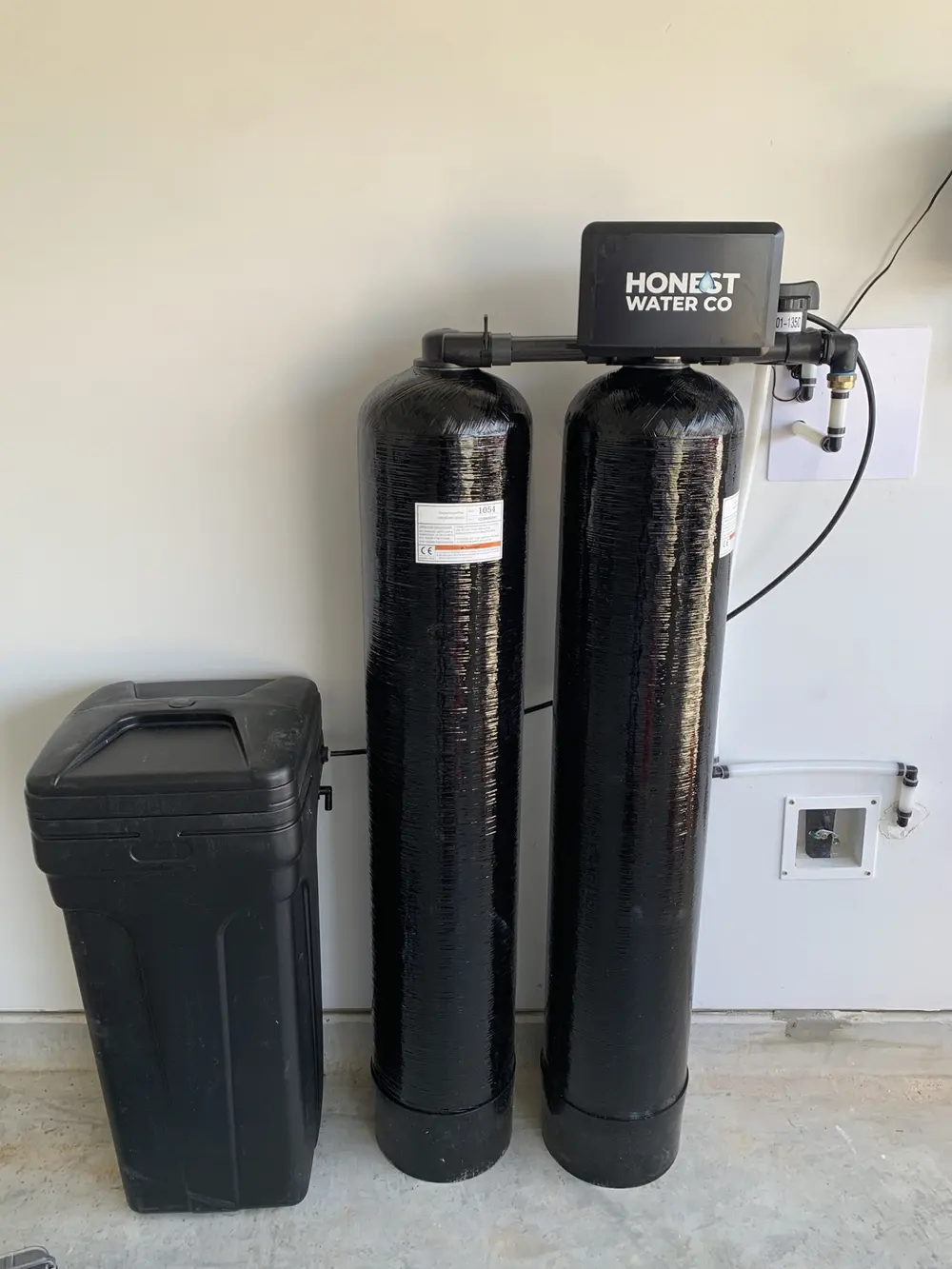
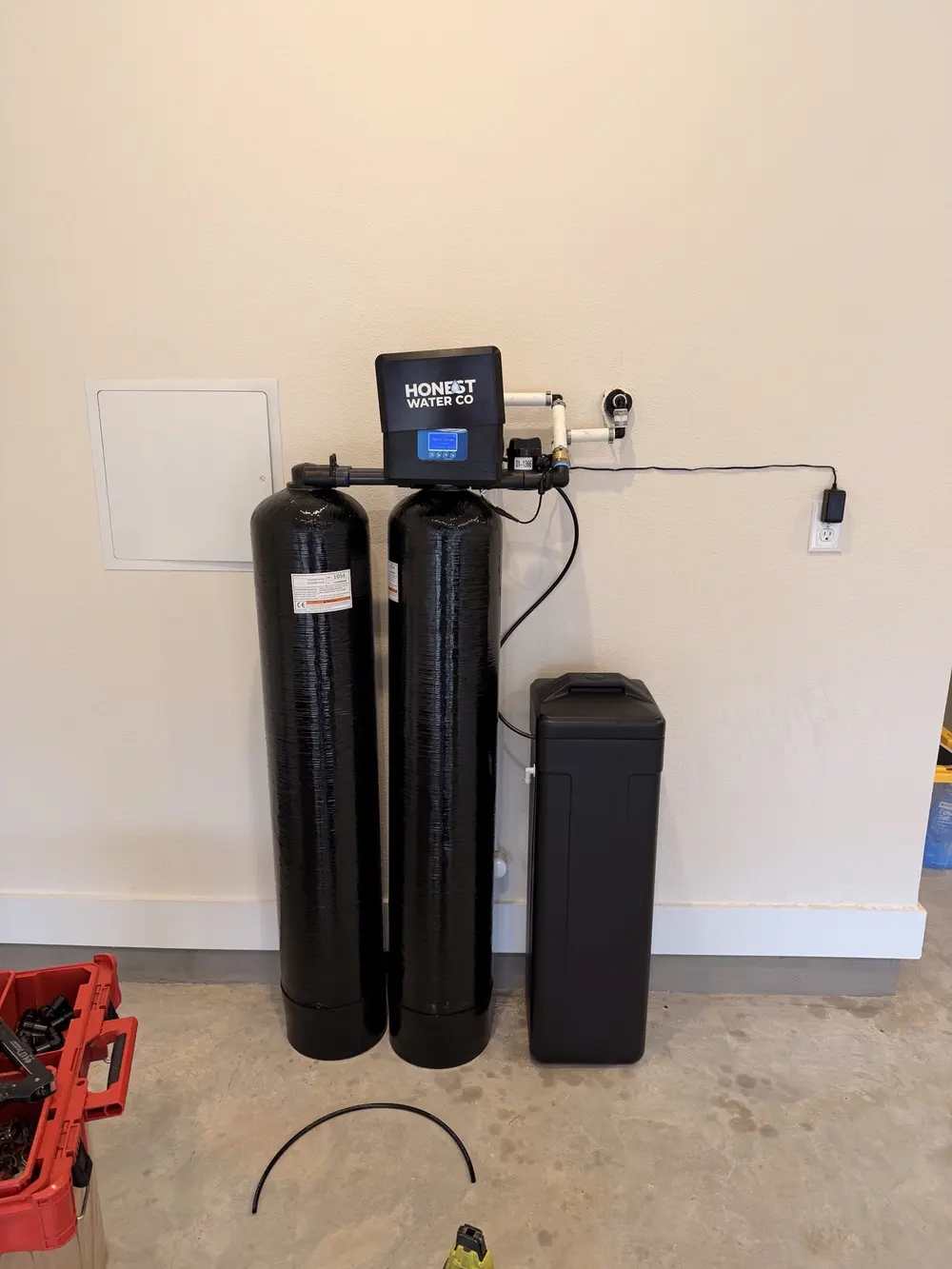
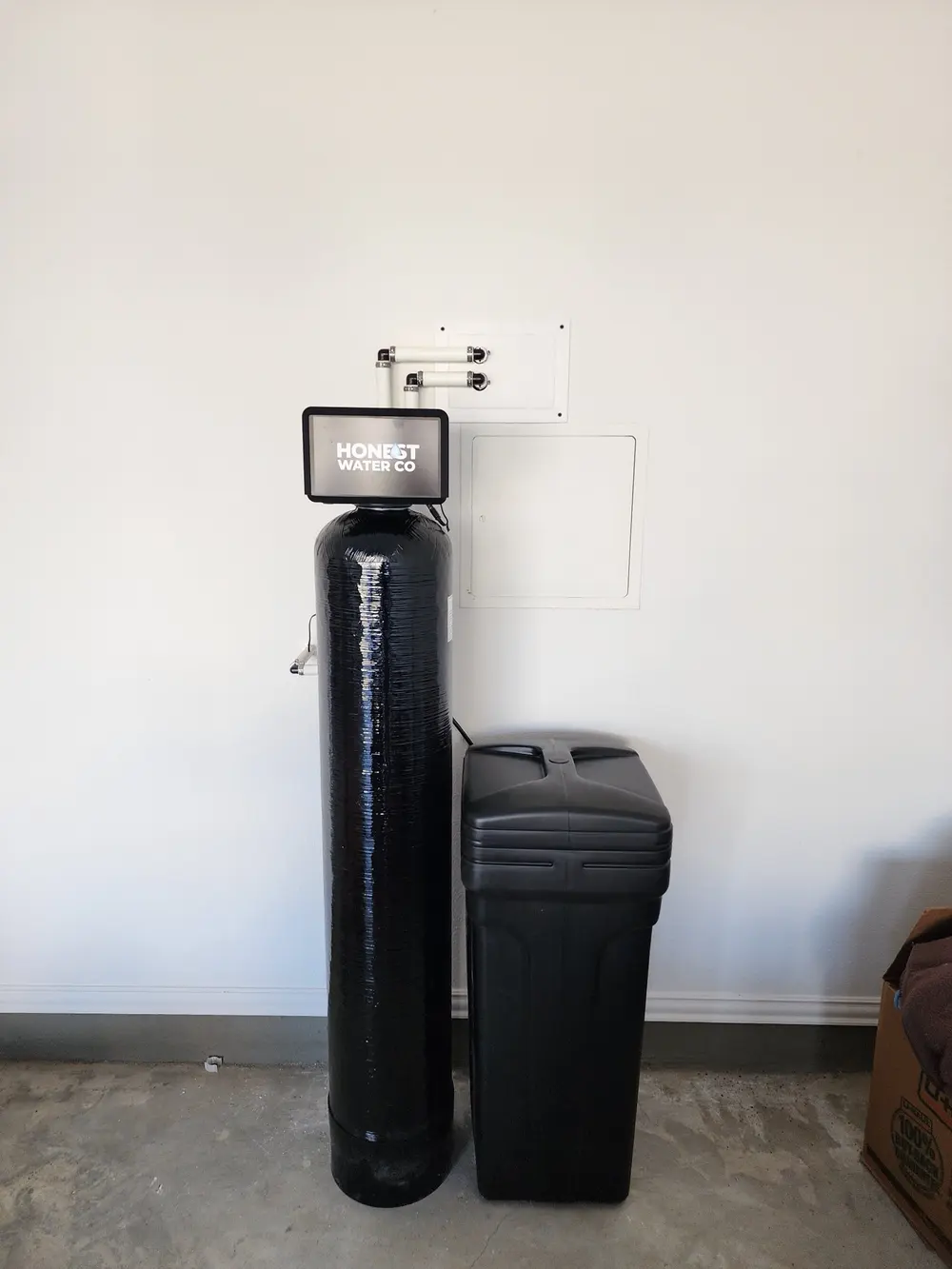
Reverse osmosis installed
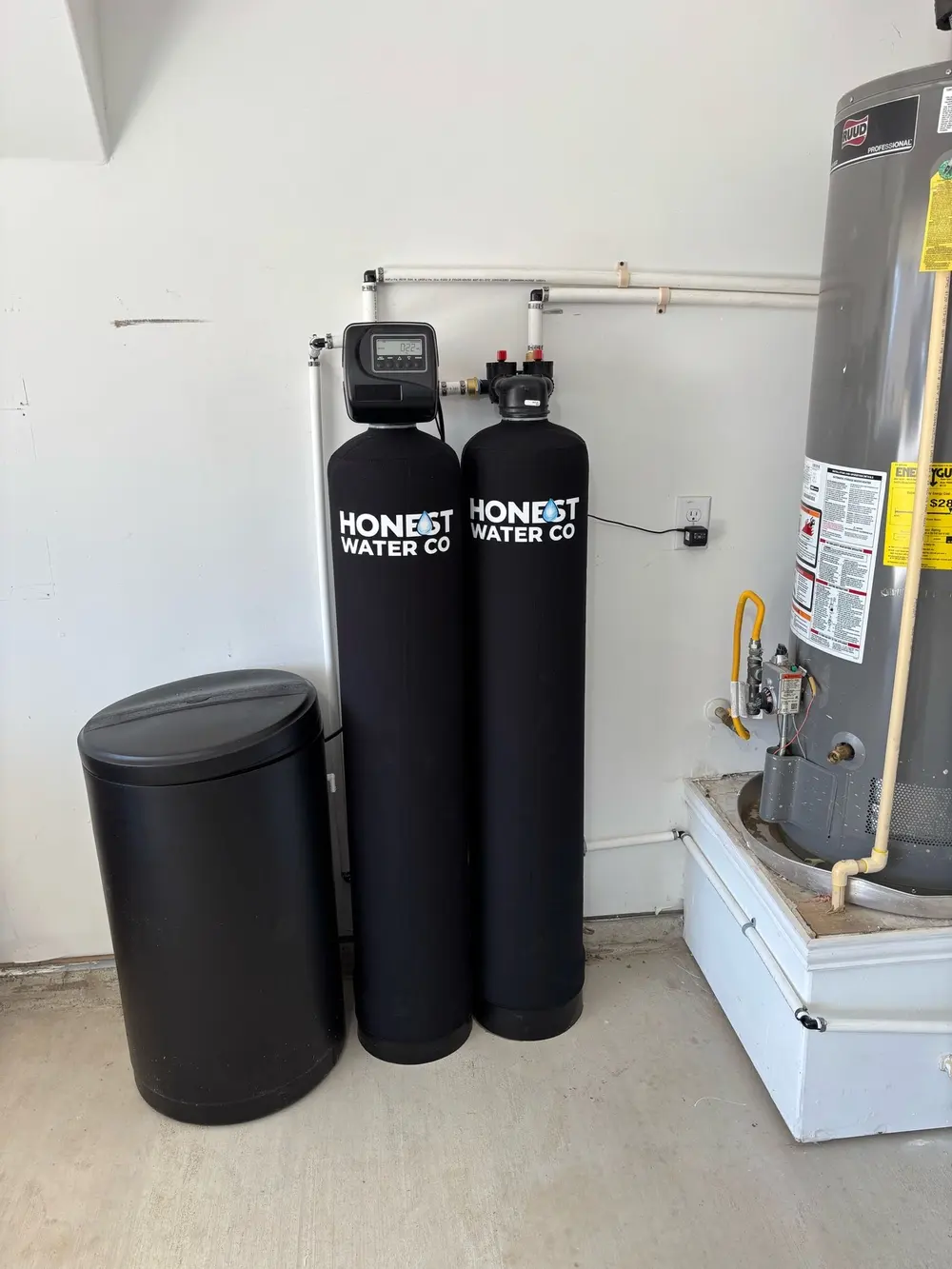
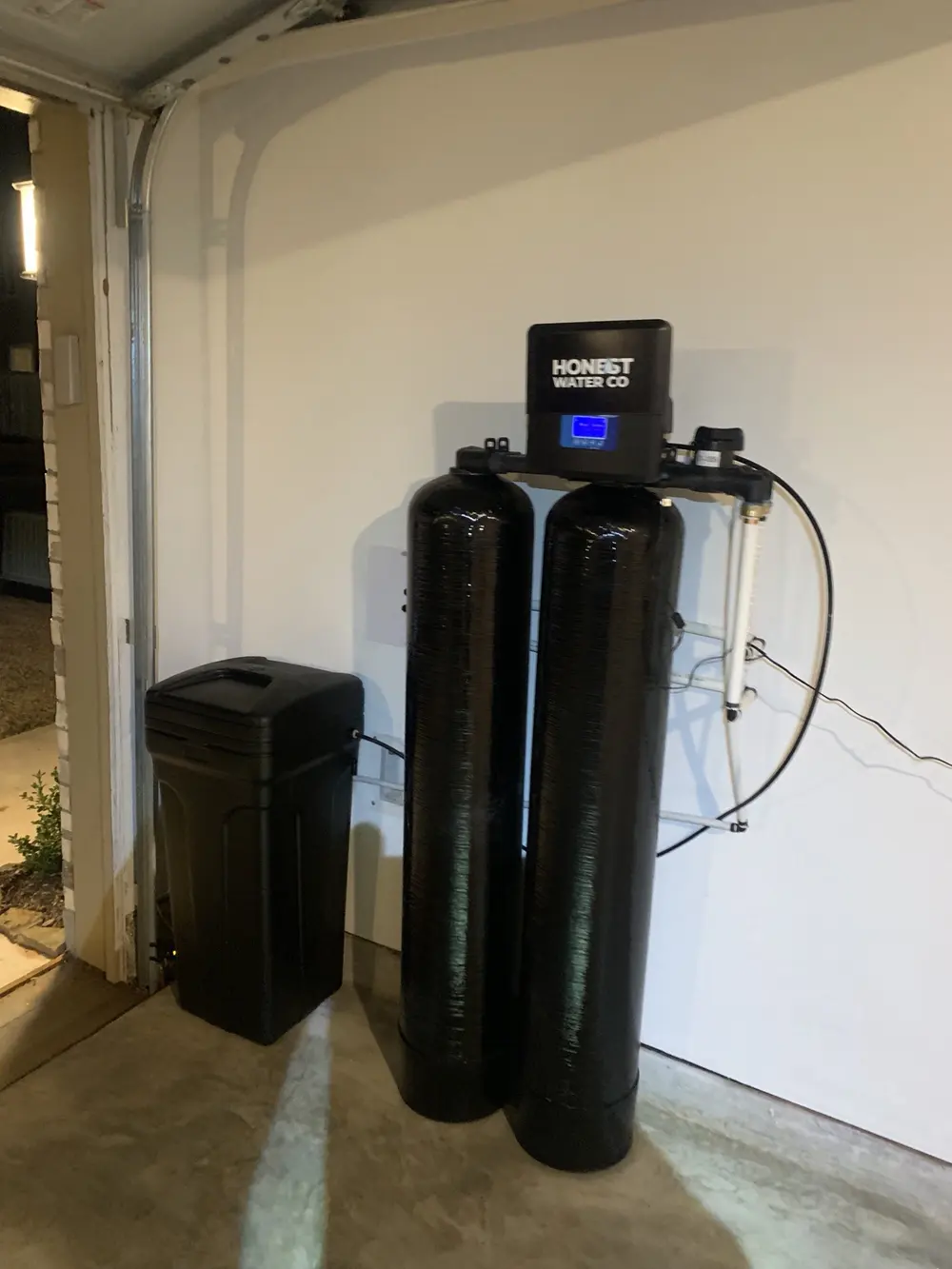
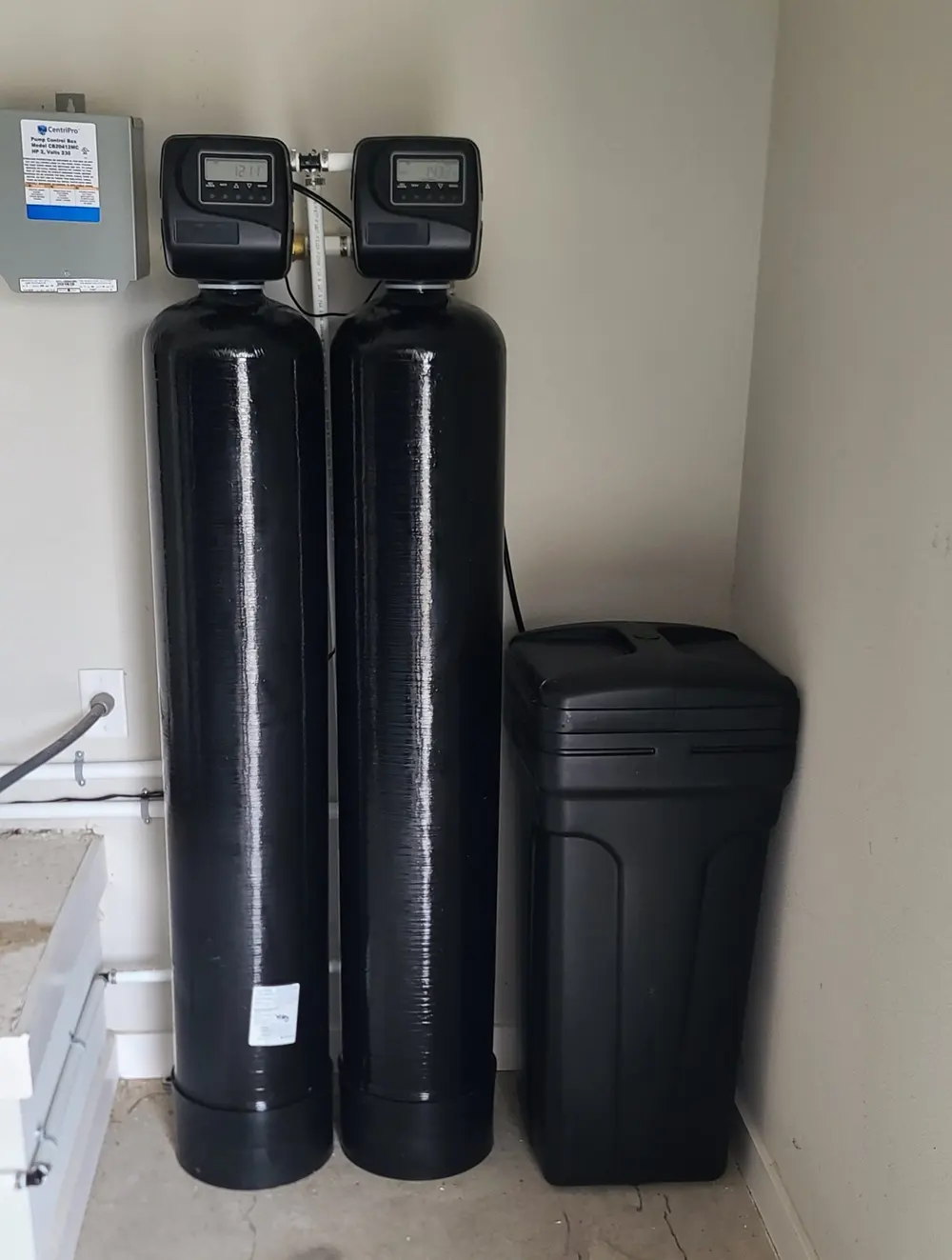
Installation photos from across the Honest Water Co franchise network, including our Texas locations — same equipment line, same training, same warranty. These are not photos of specific North Carolina jobs.
Ready for better water?
Get a free in-home water test and quote from the Honest Water NC team.
Get a free quoteOr call (984) 206-3774