How the stages fit together
Whole-home systems
How softening, carbon filtration and point-of-use RO fit together, what order they go in, and how to avoid paying for stages you don't need.
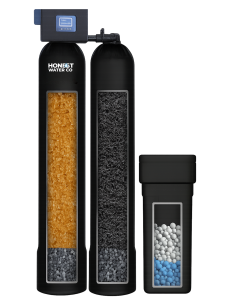
How it actually works
A whole-home setup is not one product. It is a sequence, and the order matters: pretreatment first where a well needs it, then carbon filtration, then softening, then point-of-use reverse osmosis at the kitchen sink.
Each stage exists to solve a problem the others cannot. Carbon handles chlorine, chloramine and taste, and protects the softener resin from oxidative damage. The softener handles hardness, which carbon cannot touch. RO handles the dissolved contaminants — PFAS, disinfection byproducts, nitrate — that neither of the others removes.
The point of designing it as a sequence is knowing which stages you can leave out. A Charlotte home needs the carbon and the RO and not the softener. A Triangle home on city water needs all three. A well needs oxidation pretreatment ahead of everything.
Where a full system makes sense
Triangle homes on municipal water with 7+ GPG hardness and elevated disinfection byproducts genuinely benefit from all three stages — hardness is high enough to justify softening and the DBP figures justify carbon plus RO. Private wells almost always need a staged approach because they have multiple problems at once and no utility treatment upstream.
Where a full system is overkill
Soft-water cities. In Charlotte at 1–4 GPG and Wilmington at 2.9 GPG, the softening stage is dead weight — you would be paying for a tank, salt and a drain line to remove hardness that is not there. Carbon plus point-of-use RO is the honest configuration in those cities, and it costs considerably less. Whole-home RO is similarly rarely justified: it is far more expensive, wastes much more water, and treats toilet water to drinking standard.
Customer reviews
No reviews tagged to this system yet.
Common questions
- What order do the stages go in?
- Well pretreatment first if needed, then carbon, then softener, then point-of-use RO. Carbon before the softener protects the resin from chlorine damage; RO last benefits from everything upstream having already been removed.
- Do I need every stage?
- Almost certainly not. It depends on your water and your city. Charlotte and Wilmington households can skip softening entirely. Municipal customers do not need well pretreatment. The value of a staged design is being able to leave things out.
- Should I get whole-home RO instead of point-of-use?
- Usually no. It costs several times more, wastes substantially more water, and the exposure you are actually reducing is through drinking and cooking. Point-of-use at the kitchen sink addresses most of the real risk for a fraction of the cost.
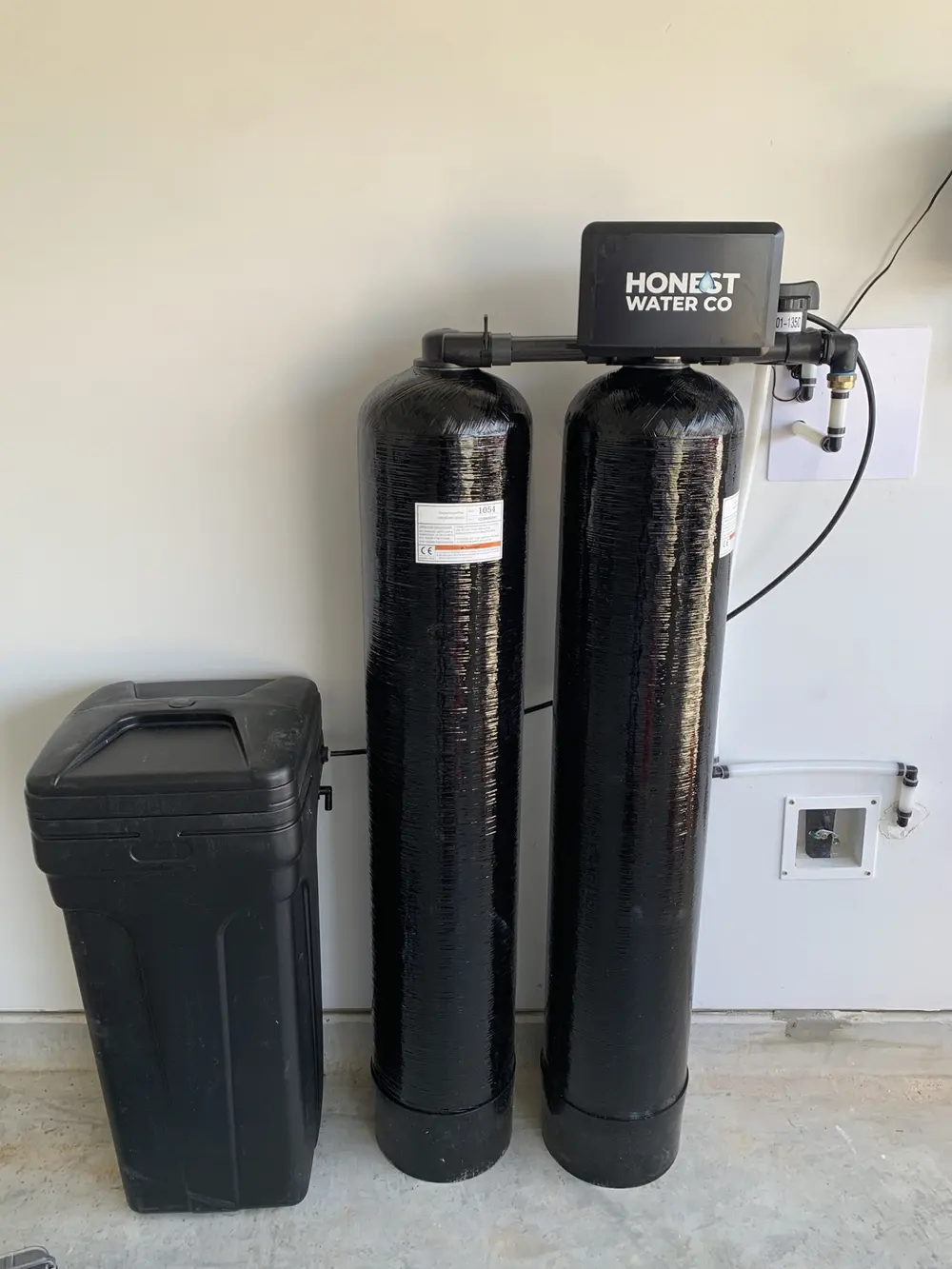
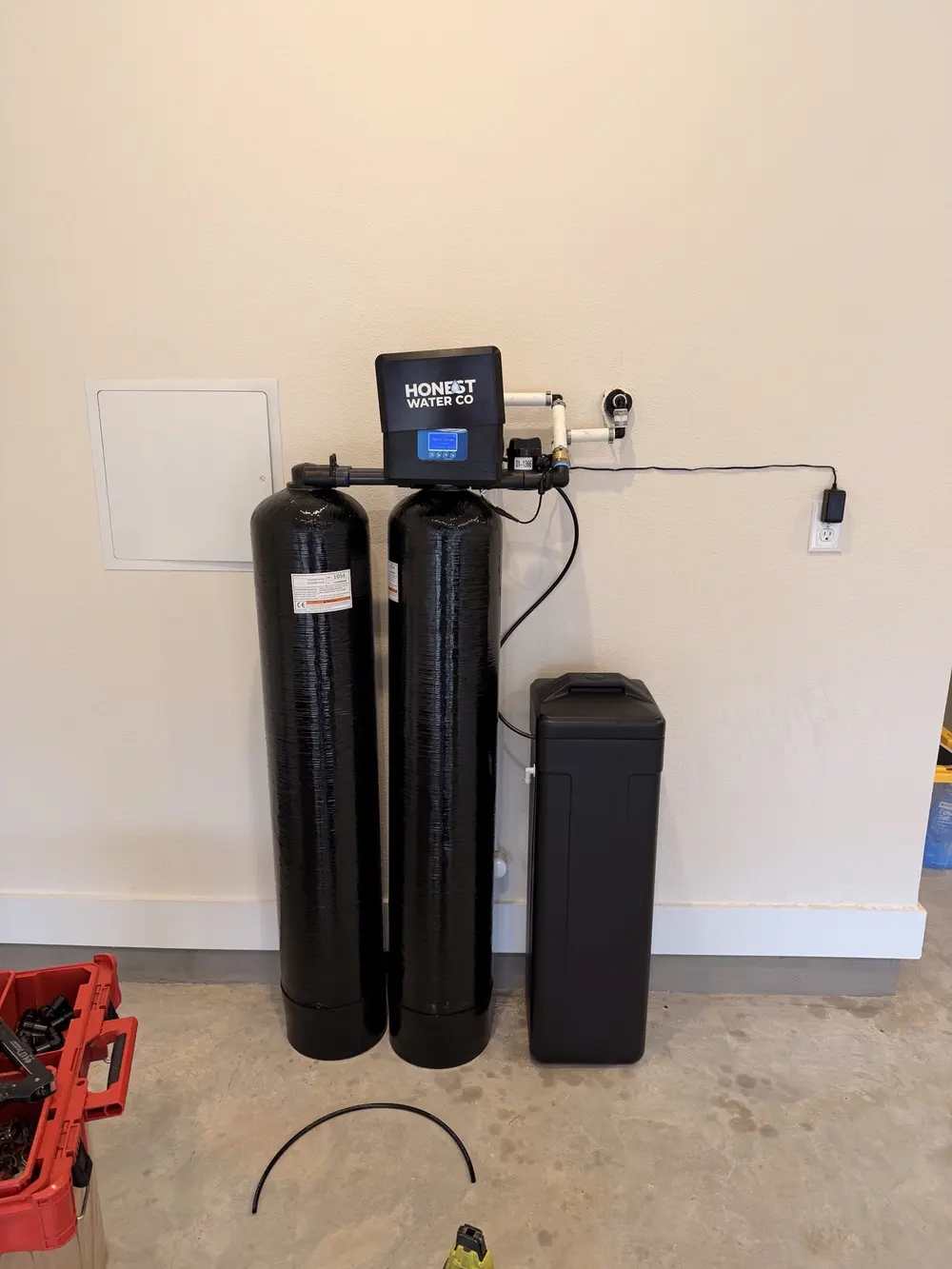
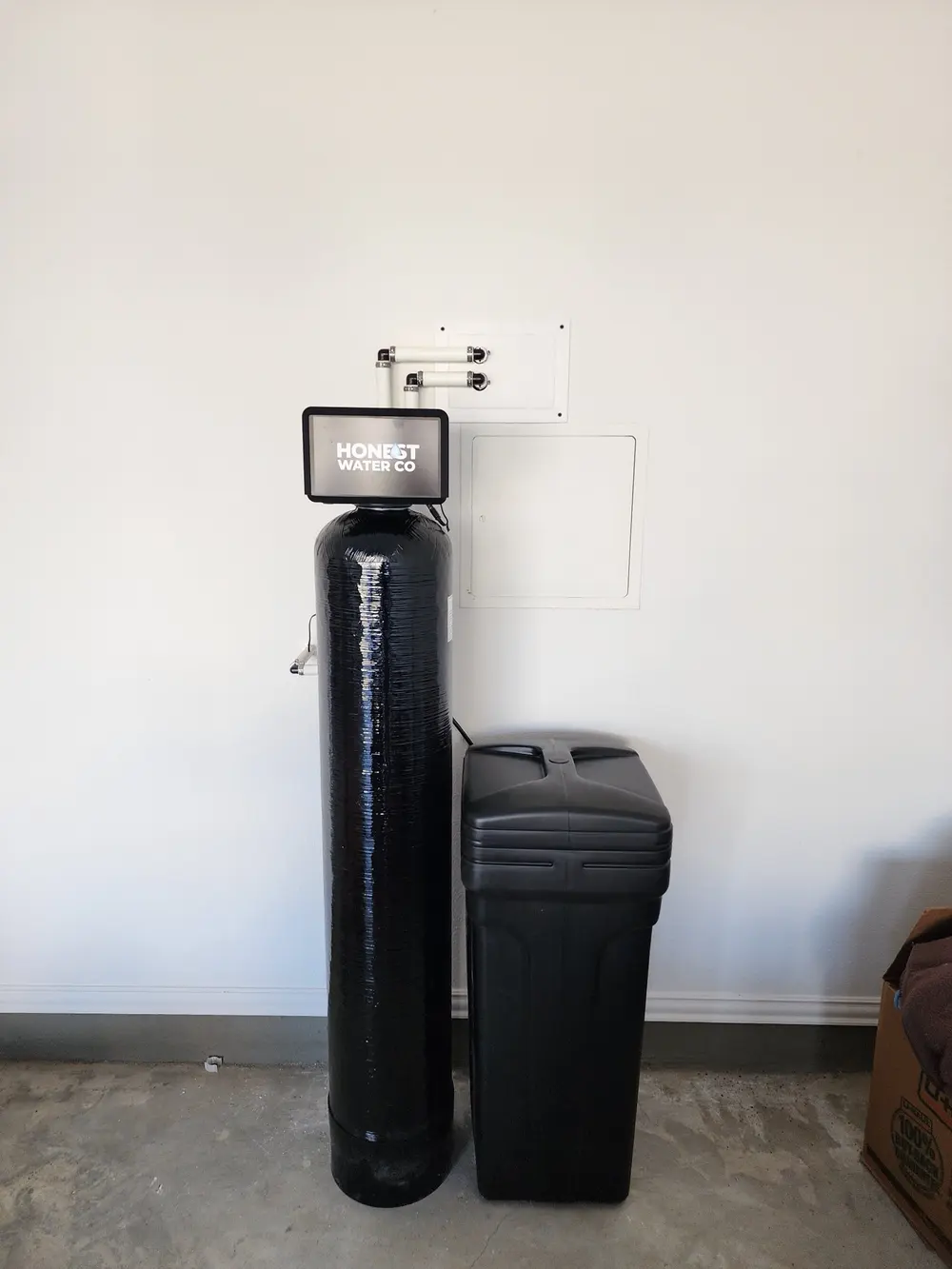
Whole-home systems installed
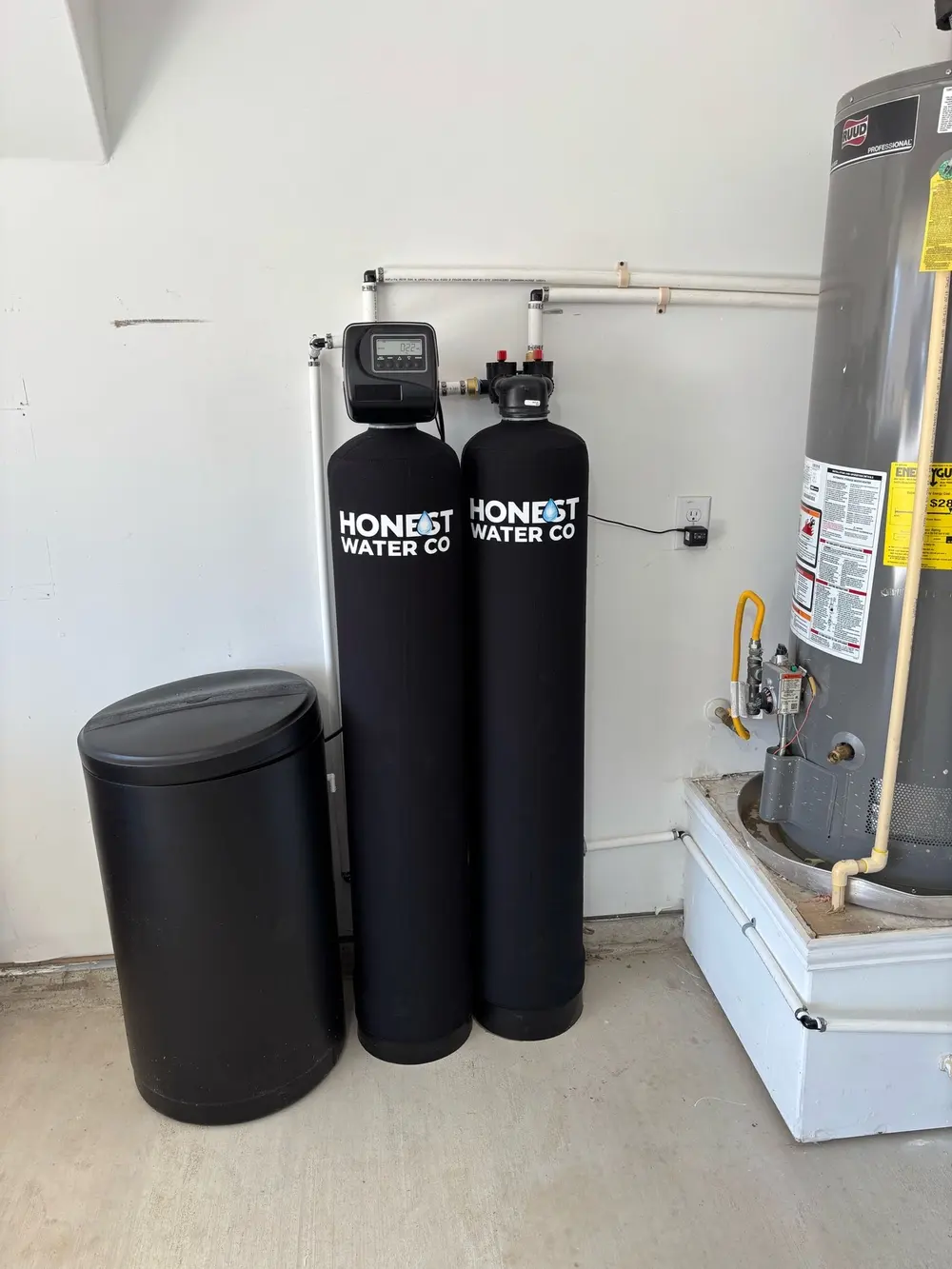
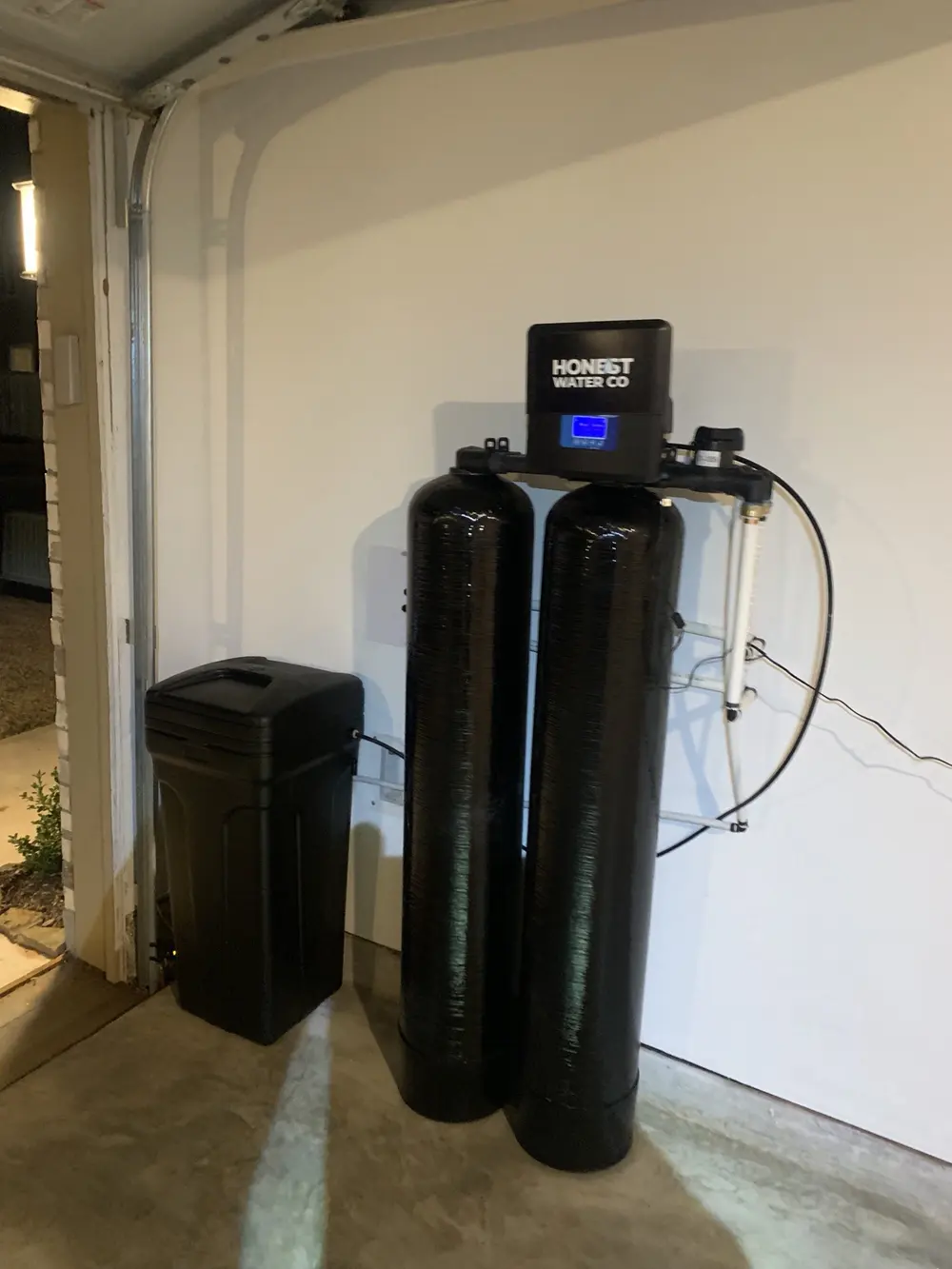
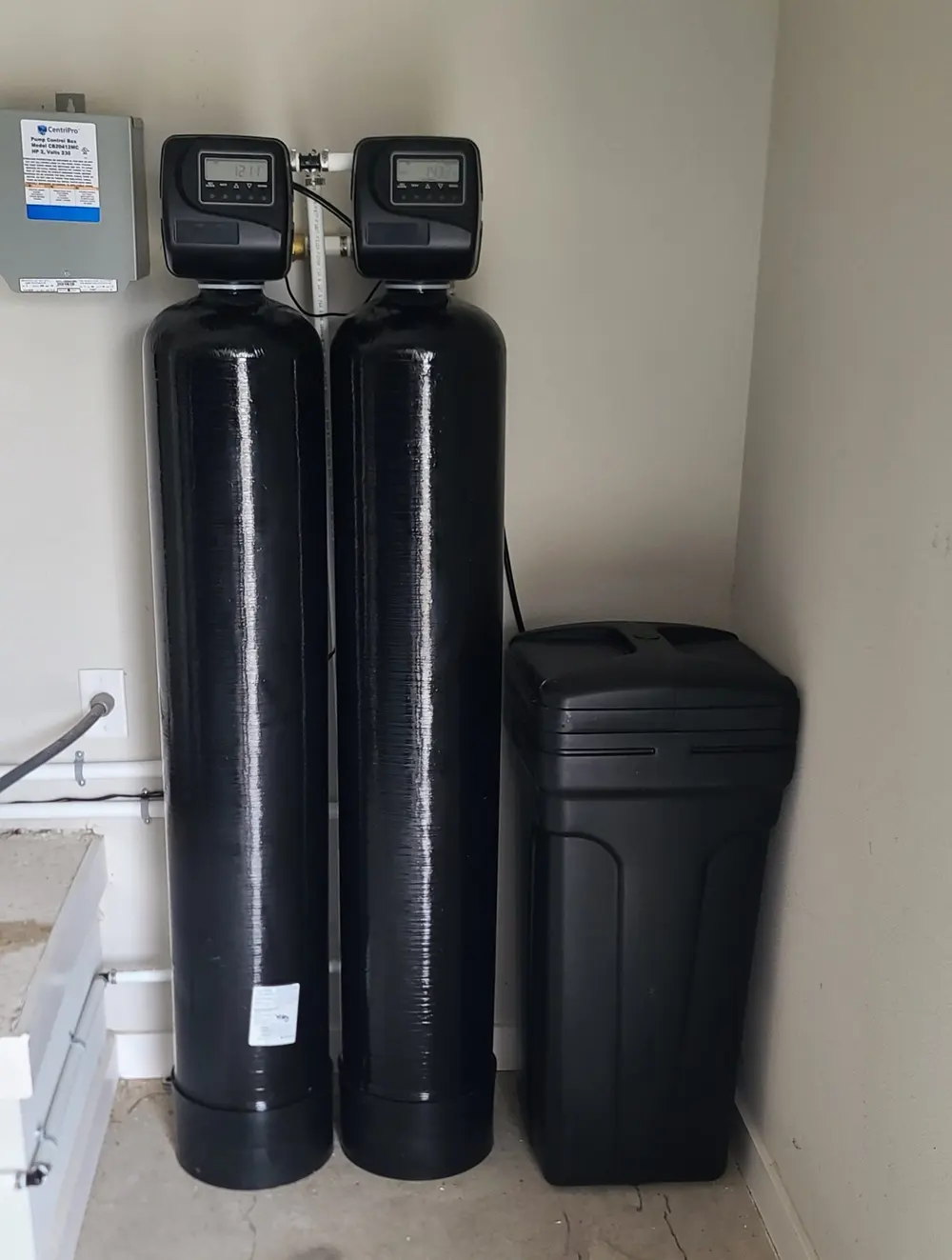
Installation photos from across the Honest Water Co franchise network, including our Texas locations — same equipment line, same training, same warranty. These are not photos of specific North Carolina jobs.
Ready for better water?
Get a free in-home water test and quote from the Honest Water NC team.
Get a free quoteOr call (984) 206-3774